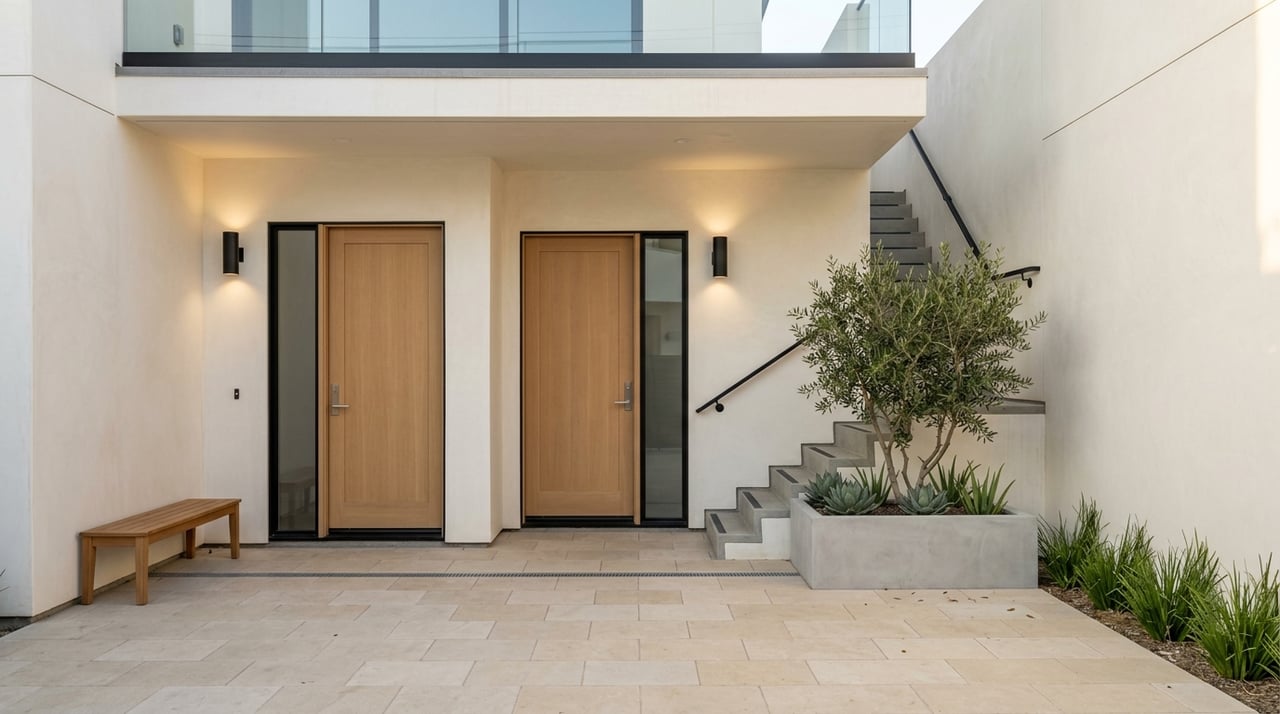
Guide To Newport Beach Luxury Rentals For Owners And Tenants
If you are thinking about renting out a luxury property in Newport Beach or signing a lease for one, the details matter more than you might expect. This is a premium coastal market where furnished homes, seasonal timing, lease length, and local rules can shape everything from pricing to availability. Whether you are an owner trying to protect a high-value asset or a tenant looking for a smooth stay, this guide will help you understand what to look for and what to ask before you move forward. Let’s dive in.
In Newport Beach, “luxury rental” usually refers less to a formal label and more to the overall lifestyle a property offers. Current listings point to bayfront and oceanfront locations, furnished interiors, private outdoor space, garage parking, patios, docks, and turnkey setups as the features that often define the upper end of the market.
That fits the broader housing picture in Newport Beach. Census QuickFacts reports a median gross rent of $3,316 and a median value of owner-occupied housing units above $2,000,000, which helps explain why luxury rentals here are often judged by location, design, and amenities rather than standard apartment benchmarks.
Luxury rental inventory in Newport Beach tends to fall into a few familiar categories. You will often see single-family homes, townhomes, duplex-style units, and waterfront condos marketed as furnished or seasonal opportunities.
Current examples in and around 92660 include furnished summer homes, executive rentals available for 31+ day stays, and winter-season condo leases that may include parking, patios, utilities, or Wi-Fi. In other words, the offering is often about convenience and experience as much as square footage.
Furnished rentals are common in the luxury segment because they appeal to relocation clients, second-home users, and tenants looking for a ready-to-enjoy coastal stay. A well-structured furnished lease should clearly state what comes with the property, including furniture, appliances, linens if applicable, parking, and utility responsibilities.
For owners, that means detailed documentation matters. For tenants, it means you should review both the inventory and the move-out expectations carefully before signing.
Waterfront condos and beach-close homes often command attention because of access, views, and outdoor living. Current listings repeatedly highlight patios, docks, tandem garage parking, and indoor-outdoor flow.
These features are not just nice extras. In Newport Beach, they are often part of what drives the luxury-rental conversation and can affect lease structure, pricing, and tenant expectations.
One of the biggest differences between Newport Beach luxury rentals and a more typical rental market is seasonality. Many listings are not built around a standard 12-month lease. Instead, they may be offered for summer only, winter only, or for a set 6- to 9-month lease window.
Current examples show summer 2026 availability, winter rentals running from September through May, and homes with different pricing depending on the month. If you are an owner, timing your marketing matters. If you are a tenant, flexibility on move-in date and lease term can open up more options.
Newport Beach defines short-term lodging as the rental of a residential unit for 30 consecutive days or less. Because of that rule, many owners appear to lean toward 31+ day furnished leases instead of true vacation rentals.
That distinction is important because the legal and practical requirements can change based on lease length. In this market, even one extra day can shift how a rental is treated.
If you own a luxury property in Newport Beach, your rental strategy should start with the city rules, then move to HOA rules, then move to lease structure and marketing. The reason is simple: what works for one property may not work for another.
This market is highly property-specific. Zoning, community restrictions, permit status, and the intended lease term can all affect what you can legally offer.
In specified zones, owners or agents renting a residential unit for 30 days or less must obtain a Short Term Lodging Permit and a business license. The city also caps active permits at 1,550 and states that no new permits are being issued until the active count falls below that number.
Permitted short-term lodging is also subject to a 10% transient occupancy tax on the lease amount. The city also points owners to local noise and large-party rules, which makes it important to spell out occupancy limits, guest expectations, and quiet-use standards in writing.
City approval is not the only issue. Newport Beach also advises owners to review HOA CC&Rs before advertising or applying for permits.
That is especially relevant in condos and planned communities, where rental length, parking, guest behavior, and amenity use may be restricted by the association. Before a property is marketed, owners should confirm that city rules and HOA rules align.
Some local listings show how compliance shapes lease terms in practice. One Newport Beach rental notes that tenants may be responsible for penalties related to the city lodging permit and uses a 30-day minimum structure.
For owners, this is a reminder that luxury leases should be specific. Clear language around lease term, guest use, parking, furnishings, utilities, and property care can help reduce confusion and protect the home.
For furnished homes, condition records are especially important. California law limits security-deposit deductions to certain items such as unpaid rent, damage beyond ordinary wear and tear, and certain cleaning or restoration costs.
For new tenancies beginning in 2025, California also requires move-in and move-out photographs. For owners, that makes a detailed documentation process a smart part of leasing preparation.
If you are leasing a luxury rental in Newport Beach, you should expect a polished property and a clear lease. You should also expect the details to vary from one home to another, especially when the property is furnished or offered for a seasonal term.
A strong lease should explain the rental term, whether the property is furnished, what is included in the rent, utility responsibility, parking, guest rules, pet policy, maintenance expectations, and move-out standards. Some furnished leases include utilities and Wi-Fi, while others do not, so it is worth confirming every line item.
California’s tenant guide makes clear that tenants in high-end rentals still have the same core rights as other tenants. These include habitability, quiet enjoyment, and protection against retaliation.
The guide also states that landlords generally must give 24 hours’ written notice before entry unless an emergency or another limited exception applies. If repairs come up, it is smart to keep written requests and photo or video records.
For tenancies starting on or after July 1, 2024, California generally limits security deposits to one month’s rent. There is a narrow small-landlord exception that can allow up to two months’ rent if the owner is a natural person or an all-natural-person LLC and owns no more than two residential rental properties totaling four units.
The law also treats many move-in charges for processing, cleaning, or similar purposes as part of the security deposit. Landlords must return the deposit, along with an itemized statement if deductions are made, within 21 days after move-out.
California limits deductions to specific categories. Landlords cannot charge for ordinary wear and tear or for preexisting defects.
That matters in luxury coastal rentals because furnished interiors, higher-end finishes, and detailed inventories can make move-out questions more sensitive. Before you sign, make sure the condition standard is explained clearly and that the move-in record is complete.
For covered tenancies, California’s Tenant Protection Act generally caps annual rent increases at 5% plus CPI or 10%, whichever is lower. Many rental units in multi-unit properties that are at least 15 years old are covered.
Many single-family homes and condos are exempt if the landlord gives the required notice. If you are a tenant, check whether the lease states if the property is covered or exempt before relying on rent-cap or just-cause protections.
Because this is a coastal market, location-specific disclosures may also apply. If a landlord knows the property is in a flood hazard zone, California law requires that fact to be disclosed to the tenant.
That does not mean there will be a problem with the property. It simply means the lease process should include clear and accurate information about known conditions.
Whether you are the owner or the tenant, the best approach is to treat every Newport Beach luxury rental as property-specific. The lease term, furnishing level, HOA rules, permit status, and included amenities can all change the picture.
A careful review upfront can save time, money, and stress later. In a market like Newport Beach, the strongest outcomes usually come from clear expectations, precise paperwork, and local guidance.
If you are weighing rental options as an owner, tenant, or investor in Newport Beach, working with a local advisor can help you sort through seasonality, positioning, and lease strategy with more confidence. To explore your next move, connect with David Espino.
Stay up to date on the latest real estate trends.

Working with David Espino means partnering with a proven Orange County expert known for delivering exceptional results in the luxury market. With nearly a decade of experience and over $110M in sales, he combines strategic pricing, high-impact marketing, and skilled negotiation to help clients move forward with confidence.

DAVID ESPINO | CA DRE# 02014458
COLDWELL BANKER REALTY | CA DRE# 00616212
[email protected]
(949) 547-5181
ADDRESS 840 Newport Center Dr Ste 100 Newport Beach, CA 92660