Living In Newport Beach: Coastal Lifestyle Explained
If you picture Newport Beach as just a vacation spot, you are only seeing part of the story. For many residents, life here is shaped by beach access, harbor views, open-air shopping, and a daily routine that often happens outside. If you are thinking about moving to Newport Beach, understanding how the coastal lifestyle really works can help you decide whether it fits your pace, priorities, and housing goals. Let’s dive in.
Newport Beach is organized around the water in a way that affects everyday life. The city has more than eight miles of beaches bordering Newport Bay, and Newport Harbor is one of the largest recreational harbors in the United States, with about 9,000 boats.
That means the lifestyle is not centered on one traditional downtown. Instead, your routine may revolve around beach walks, harbor activities, neighborhood shopping areas, and quick outings that blend errands with outdoor time.
In many cities, outdoor recreation feels like something you plan for on weekends. In Newport Beach, it is often built into the day. You might start with a walk near the bay, meet friends for lunch by the harbor, or head out for an evening bike ride near the coast.
That rhythm is a big reason the area appeals to buyers who want a polished but active coastal routine. The setting supports time outside, easy access to the water, and a stronger connection between home and lifestyle.
Newport Beach offers several distinct beach experiences, and each one brings a slightly different feel to daily living.
Balboa Peninsula is a three-mile stretch with the harbor on one side and sandy beaches on the other. It is known for bike rides, beach days, harbor cruising, and a more active atmosphere than some of the city’s quieter residential areas.
The Peninsula also includes The Wedge, a well-known surfing spot, and it is described as a regional nightlife destination. If you like being close to action, water sports, and a busier coastal energy, this area reflects that side of Newport Beach living.
Corona del Mar State Beach offers a more compact beach setting framed by cliffs and a jetty. It is popular for swimming, surfing, diving, and volleyball, and practical amenities like restrooms, showers, and fire pits make repeat visits easier.
For many residents, that matters more than it may seem at first. A beach that is easy to use on a regular basis can become part of your actual routine, not just a place you visit a few times a year.
Upper Newport Bay, often called the Back Bay, adds a different kind of outdoor access. The Back Bay Loop Trail is 10.5 miles, and OC Parks describes the area as roughly 1,000 acres of open space and one of Southern California’s most important wildlife-viewing areas.
This gives Newport Beach a strong open-space element beyond the shoreline. If you enjoy walking, biking, or spending time in a quieter natural setting, the Back Bay can be just as important as the beach itself.
Balboa Island offers a smaller-scale waterfront lifestyle with a 2.5-mile paved loop, harbor views, and a village-like feel. The ferry between Balboa Island and the Balboa Peninsula has operated continuously since 1919, making short scenic trips part of local life.
That pattern says a lot about Newport Beach as a whole. Even simple outings can feel connected to the water, whether you are walking the island, meeting someone on Marine Avenue, or taking the ferry across the harbor.
One of the most important things to know about living in Newport Beach is that the city does not revolve around a single central downtown. Instead, shopping and dining are spread across several well-known hubs.
This can make the city feel more neighborhood-driven. Where you live may shape whether your regular stops are closer to waterfront boutiques, open-air luxury retail, or smaller village-style streets.
Fashion Island is the city’s premier coastal shopping destination, known for luxury boutiques and al fresco dining. It gives Newport Beach a polished retail center that feels consistent with the area’s broader lifestyle.
If you value convenience with an upscale presentation, this kind of open-air setting can become part of your weekly routine. It is less about checking a box and more about how daily life feels while doing it.
Lido Marina Village leans boutique and waterfront-oriented, while Balboa Island’s Marine Avenue supports the social side of local life with casual cafes and locally owned restaurants. Corona del Mar also offers local boutiques and restaurants in a quieter village setting.
These hubs help explain why Newport Beach often feels connected and walkable in pockets rather than concentrated in one place. You are often choosing not just a home, but a preferred pattern for dining, shopping, and social time.
In Newport Beach, meals often come with harbor views or marina activity. Dock-and-dine options and harbor-view restaurants reflect how closely dining is tied to the waterfront.
That may sound like a small detail, but it changes the tone of everyday life. Lunch, dinner, or coffee can feel more like part of the coastal experience than a standard errand.
As appealing as Newport Beach is, daily life here also comes with practical tradeoffs. Understanding those details can help you make a more confident move.
The city notes that beach access areas include public lots, parking meters, and on-street parking, and most paid parking runs from 8 a.m. to 6 p.m. daily. During busy seasons, especially from April through November when harbor boating traffic is heaviest, crowds and parking pressure are part of the experience.
If you live near the coast, timing matters. Peak beach days, holiday weekends, and active boating months can bring more traffic and more competition for parking in popular areas.
That does not mean the lifestyle is less appealing. It simply means that convenience can vary based on season, neighborhood, and how close you are to the busiest waterfront zones.
Newport Beach does offer some relief in high-traffic areas. The Balboa Peninsula Trolley is a free seasonal service with 22 marked stops, helping reduce the need to search for parking on the Peninsula.
For residents and visitors alike, that can make beach days and restaurant outings easier. In a coastal area where parking can affect your plans, small mobility advantages can make a noticeable difference.
For buyers who travel often, location convenience matters beyond the beach. Newport Beach sits next to John Wayne Airport, and local visitor information notes that shuttles can reach major hotels and attractions in ten minutes or less.
That close airport access is a real lifestyle asset. If you want a coastal setting without feeling cut off from business travel or quick getaways, Newport Beach stands out.
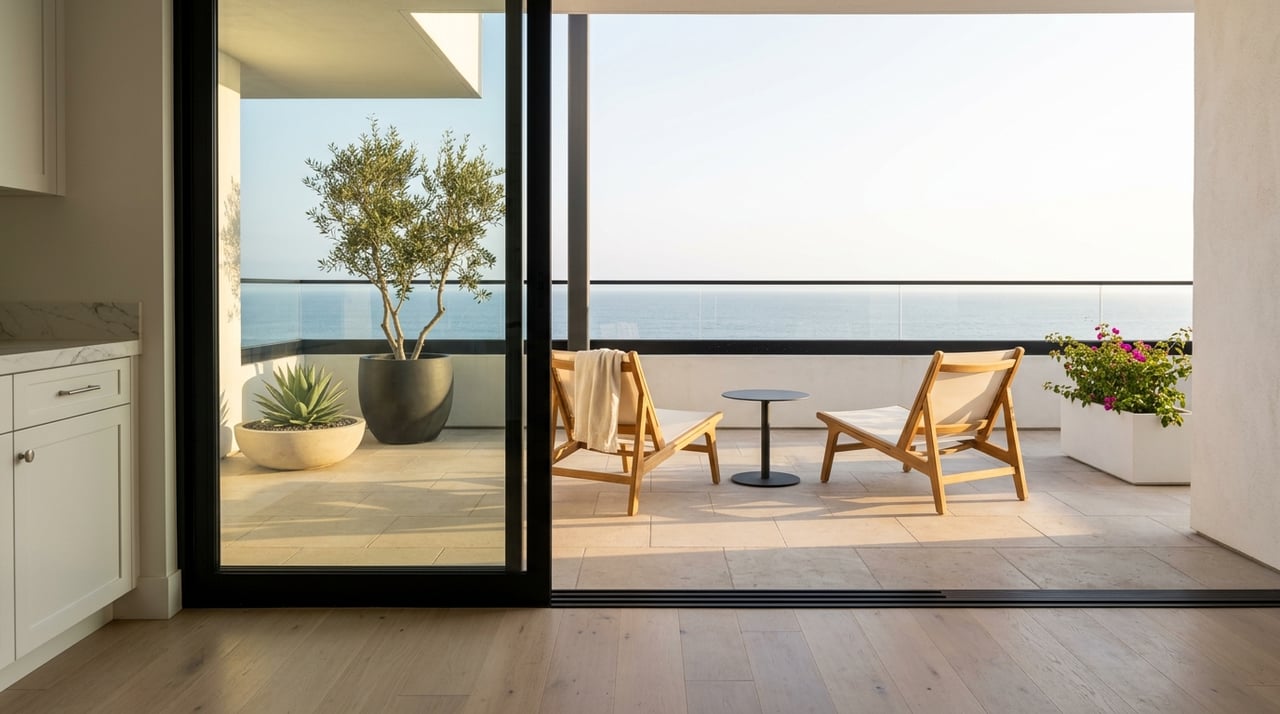
Because daily life here revolves around beach access, harbor activity, village retail, and outdoor recreation, many buyers look for homes that support easy indoor-outdoor living. Features like patios, balconies, rooftop decks, and practical storage for beach or boating gear often fit naturally with the local routine.
Access also matters. Homes that make it easier to reach walkable shopping, waterfront dining, or harbor-adjacent areas often align well with what people enjoy most about living here.
In Newport Beach, lifestyle and layout are closely connected. Many buyers are drawn to homes that make transitions between home, neighborhood, and water feel simple.
Common priorities may include:
Newport Beach stands apart from many inland markets because its home styles often reflect the coastal setting. In Corona del Mar, vintage cottages and newer houses sit side by side on residential streets, while Balboa Island is known for cottage-like homes and bay-oriented living.
That variety gives buyers a wider range of lifestyle choices within the same city. You may be choosing between village charm, harbor access, beach energy, or a quieter residential setting, all within Newport Beach.
Newport Beach tends to appeal to people who want more than just a home near the coast. It often suits buyers who want their surroundings to influence how they spend time, move through the day, and enjoy weekends without needing to leave town.
That can include boaters, surfers, walkers, relocation buyers, and people looking for a refined but active routine. It can also appeal to those who want resort-style surroundings with everyday conveniences, as long as they are comfortable with the traffic and parking pressure that can come with peak seasons.
If you are considering a move here, it helps to think beyond the postcard version of coastal living. The right fit often comes down to how you want your daily routine to function, which neighborhood setting matches your pace, and what type of home will support that lifestyle.
Whether you are looking for a primary residence, a second home feel, or an investment in one of Orange County’s best-known coastal markets, local guidance matters. For personalized insight into Newport Beach, Corona del Mar, and nearby coastal communities, connect with David Espino.
Stay up to date on the latest real estate trends.

Selling a home can happen quickly, especially in a favorable market.

Here’s a list of tips tailored just for you, the first-time homebuyer.

You can get one or two major remodels done or opt for a bunch of small fixes.
Working with David Espino means partnering with a proven Orange County expert known for delivering exceptional results in the luxury market. With nearly a decade of experience and over $110M in sales, he combines strategic pricing, high-impact marketing, and skilled negotiation to help clients move forward with confidence.
DAVID ESPINO | CA DRE# 02014458
COLDWELL BANKER REALTY | CA DRE# 00616212
[email protected]
(949) 547-5181
ADDRESS 840 Newport Center Dr Ste 100 Newport Beach, CA 92660